“We travel, some of us forever, to seek other states, other lives, other souls.”-Anaïs Nin
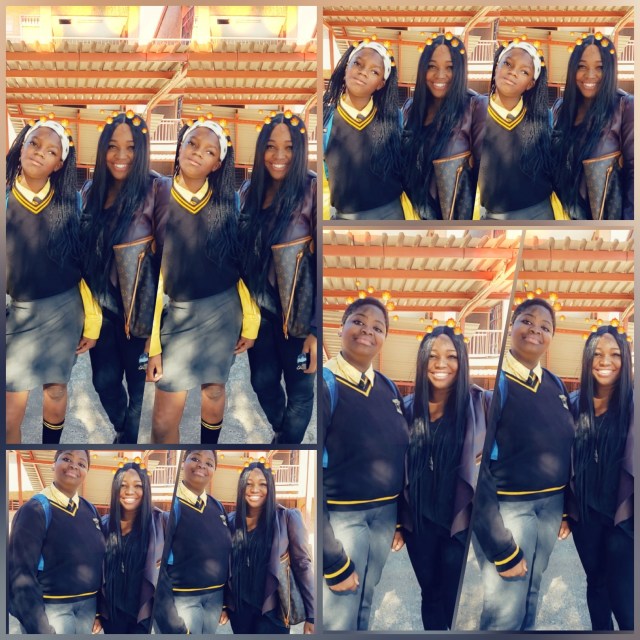
Some of the inequities in South Africa are reflected in the nation state’s education sector. As an example, the wealth gap (a direct result of apartheid) regulates where individuals live, dictates how they are educated and their access to safety and safe-play. Analogous with their counterparts during the apartheid dispensation, the student demographic of the “born-free” generation also experiences disparities between those who are privileged and have access, and those who do not enjoy the same. Director David Rantho of Teboho Trust, also an alumni of Teboho Trust, conducts a weekend program at Emadwaleni Secondary School in Soweto that endeavors to mitigate the adverse effects of economic inequities. Teboho Trust posits they seek to “empower the children and [their] community in order for them to realize their full potential and contribute to the greater society. [Their] overall aim is to provide an empowering environment that will incubate future leaders while at the same time keeping families together.”
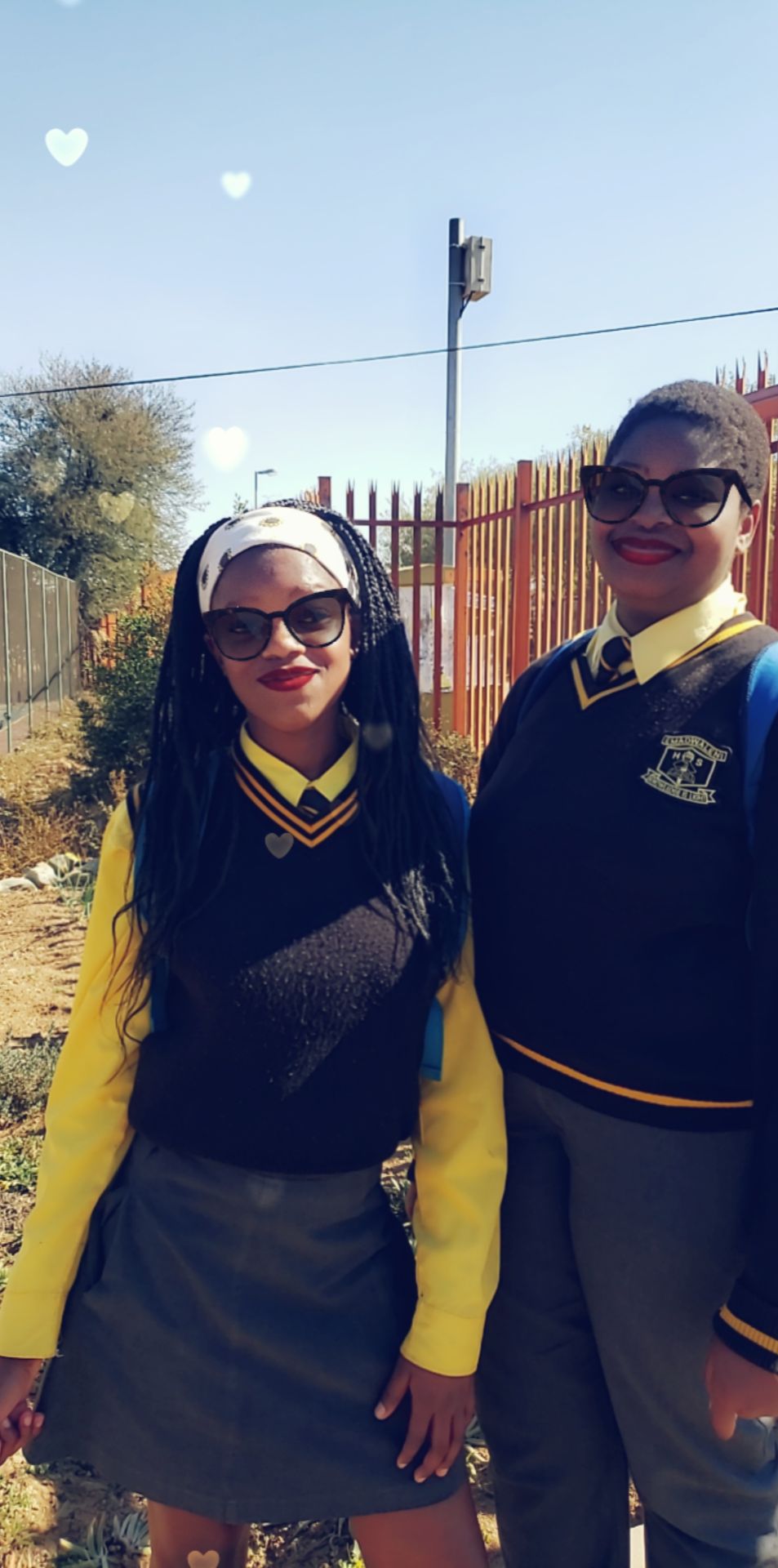
If Ibongwe and Kholeka, ( left to right, respectively) are indicators, one can propound that the effectiveness of the program should not be understated. Ibongwe aspires to be a human rights lawyer while Kholeka purposes to be a gynecologist. I learned from Ibongwe that every twenty seven (27) seconds a woman is raped in South Africa. Admittedly, I experienced the remainder of the day in 27 second increments; horrifically aware that another woman was violated. The tragedy of that awareness and the numerous ways many South Africans are robbed of their human rights, or are simply unaware of those rights are some of the impetuses for Ibongwe’s decision to become a human rights attorney. She elucidates in the video below:
Although I met Kholeka and Ibongwe with the explicit instructions to impart knowledge and inspire them to vigorously pursue their goals, I was moved by their dogged determination to succeed, their effervescent personalities and willingness to share their lived experiences. As sisters of the Global South, we exchanged stories of tenacity, grim persistence, and triumph. We traversed the surrounding community and built a rapport based on our shared experiences as only African daughters of developing nations could establish. I found kinship with them as we shared our favorite South African music and the foods they think I should try. Admittedly, my music was dated. I still had Brenda Fassie’s Vulindlela on repeat (The classics are classics for obvious reasons)! They offered many suggestions but Mlindo The Vocalist’s – Macala ft. Kwesta, Thabsie, Sfeesoh is my favorite and now also continuously on repeat. I have no clue what the musicians are singing but I feel the music in my bones.
It would be remiss of me to return to the United States and fail to maintain contact with my sisters. I am keenly interested in and would feel privileged to celebrate with them as they achieve their goals. Despite the odds, I am convinced that in conjunction with their sheer grit, amazing mothers and Teboho Trust, they have the agency and community to succeed.

 SAWUBONA, SOUTH AFRICA!